Choosing between Astrid HighBay and Astrid HighLite for industrial roofs
Two ranges, frequently confused
Walk into ten newly-fitted distribution centres and you'll find Astrid HighBay specified in some, Astrid HighLite specified in others, and a handful that have ended up with both because someone changed the specification mid-project. The two products are siblings — same chassis programme, same driver range, same warranty position — but they're optimised for different applications and the specification difference matters.
This is a quick guide to picking between them, written for specifiers and facilities teams running fixture-replacement programmes.
What each one is for
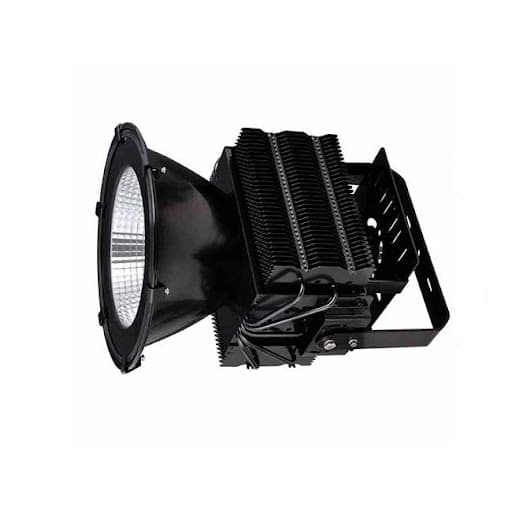
Astrid HighBay is designed primarily for high-bay industrial environments — typically 8m suspension and above, often 12m+. The optical package is narrower, the LED engine is tuned for high lumens-per-luminaire, and the chassis is built for the thermal environment of a high-cavity warehouse roof.
Astrid HighLite is designed for medium-bay environments — typically 4m to 8m suspension. Wider optic, lower lumens-per-luminaire, more compact chassis. The HighLite XL extends the upper bound of HighLite into low high-bay territory; the HighLite Eco (new — see our recent product post) widens the optical envelope further.
There's overlap in the 6m-to-10m suspension range. That's where most of the specification confusion happens.
How to pick
Four questions, in order:
-
What's the suspension height? Above 10m, default to HighBay. Below 6m, default to HighLite. Between, it depends on the next questions.
-
What's the floor plan? Wide aisles and large bays favour wider optics — HighLite. Narrow aisles between high-rack storage favour narrower optics that focus light along the aisle rather than wasting it on the racking — HighBay. Distribution centres with mixed pick-and-pack and bulk-storage layouts often need both products in different zones; that's not a specification error, it's the right answer.
-
What's the vertical illuminance requirement? Stack picking, vertical signage, and security camera coverage all care about vertical illuminance, not just floor-level horizontal lux. Narrow optics aimed downward produce poor vertical illuminance on stacked goods — the goods sit in their own shadow. HighBay's narrower distribution paradoxically produces better vertical illuminance for stacked storage than HighLite would; HighLite produces better vertical illuminance in open environments where workers move under unobstructed ceiling.
-
What's the ambient temperature? Ceiling cavity temperatures in modern roof-insulated warehouses can reach 50°C in summer. HighBay is rated for the higher ambient. HighLite is suitable for normal industrial environments but the high-temperature variants are HighBay-specific.
Common specification errors
Three we see repeatedly:
The pendant-height mismatch. Specifier picks HighBay for an 8m space because it sounds bigger. Result: too few fittings, narrow optics, dark zones between fittings, complaints. The HighLite would have produced uniform illuminance with the same fixture count.
The HighLite-as-cheap-HighBay substitution. Value-engineering exercise replaces specified HighBay with HighLite to reduce capital cost. Result: insufficient lumens to reach the floor in a high-bay environment, lux levels below the design intent.
The mixed-fitting estate. Estate refurbishment runs across many similar but not identical sites. Without an estate-level specification standard each site procurement team picks based on the loudest sales contact, and the estate ends up with three different fitting families that all need their own spare-parts stocks.
Practical recommendation
For most specifiers picking between HighBay and HighLite:
- Mounting height ≥ 10m → HighBay
- Mounting height ≤ 6m → HighLite
- Mounting height 6–10m: use HighLite as the default unless there's a specific narrow-optic requirement (rack aisles, tall signage, vertical illuminance for cameras)
- Mixed environments: don't be afraid of two ranges across one site; just document the boundary clearly so the maintenance team knows what spares to stock
Both ranges run on the same LedLite PCB platform, share driver options, and ship in the same finish range, so estate-level standardisation on Astrid is feasible even with multiple model variants in play.
If you'd like a specification check on a current scheme, our industrial team will issue a same-day comparative calculation against your existing fixture count and lux targets.